
The keto diet is a low-carb, high-fat diet that has become increasingly popular over recent years. It is credited with various health benefits, including weight loss, improved heart health, and even improved cognitive function. If you're considering trying the keto diet, it's important to understand the basic rules to get started. In this article, we'll cover the five basic rules to get started on the keto diet.
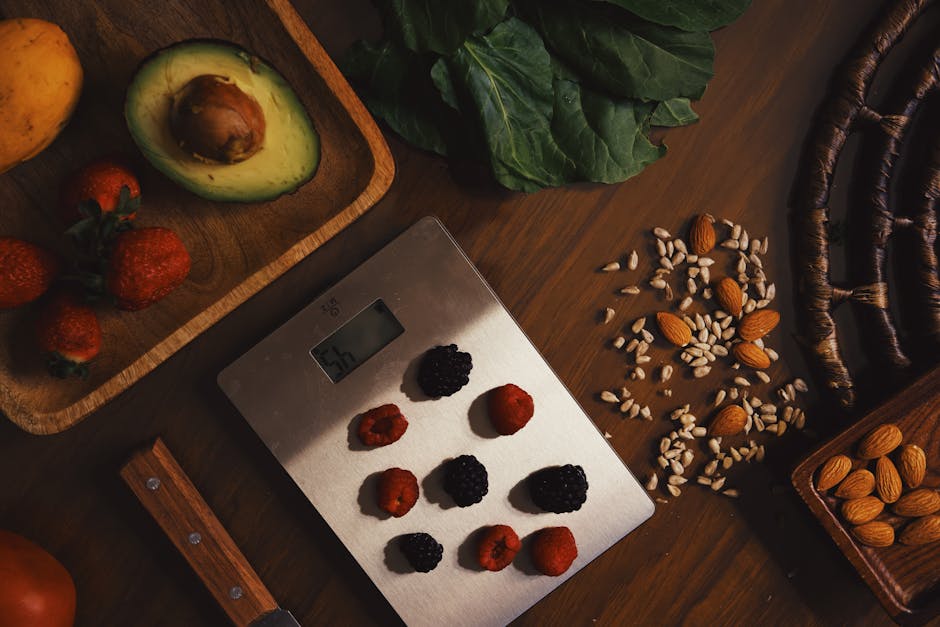 Photo by LEONARDO VAZQUEZ on Pexels
Understanding the Keto Diet
The keto diet is a low-carb, moderate-protein, high-fat diet that puts your body into a metabolic state called ketosis. When your body is in ketosis, it burns fat for energy instead of carbohydrates. This occurs because, on the keto diet, you drastically reduce your carb intake, forcing your body to rely on fat for fuel.
Benefits of the Keto DietThe keto diet has been credited with various health benefits, including weight loss, improved blood sugar control, and reduced inflammation. Additionally, studies suggest that the keto diet may help reduce the risk of certain illnesses, including heart disease, cancer, and Alzheimer's disease.
5 Basic Rules to Get Started on the Keto Diet
Carbohydrates are a significant source of calories for many people, but on the keto diet, you need to significantly reduce your carbohydrate intake. Many low-carb diets allow up to 100 grams of carbohydrates per day, but the keto diet typically recommends no more than 20-50 grams of net carbs per day.
Increase Healthy Fat IntakeOn the keto diet, you need to increase your fat intake significantly. Healthy fats like avocados, nuts, seeds, and olive oil should be added to your diet. Additionally, fatty cuts of meat, butter, cream, and cheese are encouraged.
Eat Protein in ModerationProtein is an essential macronutrient and is crucial for building and repairing tissue, but on the keto diet, you need to eat protein in moderation. Too much protein can kick you out of ketosis, so it's recommended to consume around 0.6-1.0 grams of protein per pound of body weight.
Track Your MacrosTo stay in ketosis, it's essential to track your macronutrient intake. This means monitoring the number of grams of fat, protein, and carbs you consume each day. This can be done using a calorie tracking app or by using a food diary.
Stay HydratedOn the keto diet, it's essential to drink enough water and stay hydrated. Water helps flush out toxins and helps your body perform essential functions. Additionally, drinking enough water can help reduce the risk of constipation, a common symptom of the diet.
Foods to Eat and Avoid on the Keto Diet
Foods that are encouraged on the keto diet include:
- Meat
- Poultry
- Fish
- Low-carb vegetables (spinach, kale, broccoli)
- Nuts and seeds
- Healthy oils (olive oil, coconut oil)
- Avocado
- Berries (in moderation)
Foods to Avoid on the Keto DietFoods to be avoided on the keto diet include:
- Sugary foods (soda, candy, ice cream)
- Grains (bread, rice, pasta)
- Starchy vegetables (potatoes, corn, carrots)
- Trans fats (margarine, processed foods)
- High-carb fruits (bananas, apples, oranges)
Conclusion
In conclusion, the keto diet can help you lose weight, improve your health, and even enhance your cognitive abilities. However, it's essential to understand the basics to get started on the diet. The five rules we covered in this article include limiting carbohydrate intake, increasing healthy fat intake, eating protein in moderation, tracking your macros, and staying hydrated. As with any diet, it's essential to consult with a medical professional before trying a new eating plan. We encourage you to share your experience with the keto diet in the comments section below.