
In today's busy world, we all want to make the most of our time and money, and that means smart grocery shopping. Making the right choices at the grocery store is essential to both your health and your budget. If you want to eat nutritiously and save money at the same time, it's important to know how to shop smart for nutritious and affordable groceries. In this blog post, we'll explore why shopping smart matters for your health and your budget and provide some strategies for making it happen.
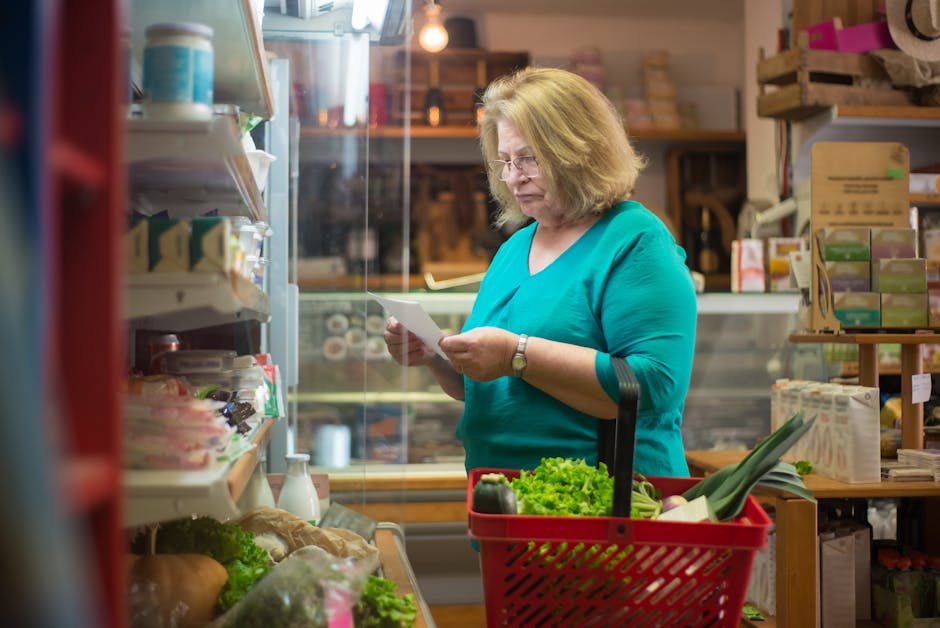 Photo by Kampus Production on Pexels
The saying that you are what you eat rings true when it comes to nutrition. Your body needs nutritious food to function properly, and it can't do that if you're not feeding it right. Eating a balanced diet that includes plenty of fresh fruits and vegetables, whole grains, and lean proteins can help keep your energy levels up, your immune system strong, and your overall health in tip-top shape.
How Food Choices Impact Your FinancesFood costs can add up quickly, so it's important to take a close look at your grocery shopping habits if you want to save money. Eating out all the time or buying pre-packaged convenience foods can cost a lot more in the long run than cooking meals from scratch and buying fresh ingredients. If you're not careful, you can easily overspend on your food budget, leaving you with less money for other things.
Strategies for Smart and Affordable Grocery Shopping
Fortunately, shopping smart for nutritious and affordable groceries is easier than you might think. With a little bit of planning and some savvy strategies, you can eat well and save money at the same time.
Plan ahead and Create a Shopping ListThe first step to smart grocery shopping is to plan ahead. Take a few minutes each week to plan out your meals and snacks, and then create a shopping list of what you need. Stick to your list when you go to the grocery store to avoid impulse buys that can add up quickly. Planning ahead also helps you avoid food waste, since you'll only buy what you need.
Compare Prices, Use Coupons, and Look for SalesAnother effective strategy for shopping smart is to compare prices, use coupons, and look for sales. Check prices at different stores to find the best deals. Look for coupons in your local newspaper or online, or use cash-back apps like Ibotta or Rakuten when you shop. Pay attention to sales and stock up on items when they're on special. You'll be amazed at how much you can save by taking a little extra time to plan your purchases.
Shop for Nutritious and Budget-Friendly Ingredients
When it comes to eating well and saving money, it's all about choosing the right ingredients. Here are some suggestions for nutritious and affordable items to add to your shopping list.
Fresh Produce: Seasonal, Local, and AffordableFresh produce should be a staple in any healthy diet, but it can be costly if you don't shop smart. Look for seasonal produce, which tends to be cheaper and fresher. Shop at your local farmers' market for the best deals on fresh, locally grown fruits and vegetables. Another option is to join a community-supported agriculture (CSA) program, where you can get a box of fresh, seasonal produce delivered to your door each week. Frozen vegetables and fruits are also an excellent option since they are often less expensive than fresh but are just as nutritious.
Whole Grains, Nuts, Beans, and Legumes: Nutrient-Dense and Affordable ProteinWhole grains, nuts, beans, and legumes are packed with protein, fiber, and other essential nutrients, making them an excellent choice for a healthy diet. Look for whole-grain pasta, rice, and bread, which will be more filling and more nutritious than their refined counterparts. Nuts are also a great snack option, especially if you buy them in bulk. When it comes to protein, beans and legumes are a good option as they are both affordable and versatile. Adding canned beans to soups, salads, and stews can go a long way to adding nutrition to your diet.
Conclusion
By incorporating these smart grocery shopping techniques and selecting the right ingredients, you can save money and eat healthily. Preparing your meals and snacks at home, using coupons, and shopping for affordable in-season produce all make it easy to stick to your budget. Eating a balanced diet that is rich in nutritious, whole foods, such as fresh fruits and vegetables, whole grains, and lean proteins, can benefit your health and your wallet. So, next time you go grocery shopping, keep these strategies in mind to shop smart, eat well, and save money.